Hybrid Camper Sales: Revolutionizing Outdoor Living
Introduction
In an era where outdoor adventures and sustainable living are gaining traction, Hybrid Camper Sales have emerged as a dynamic sector, transforming the way we explore nature. This comprehensive guide delves into the world of hybrid camper sales, exploring its definition, global impact, economic significance, technological innovations, regulatory framework, challenges, and future prospects. By the end, readers will grasp the profound influence of this industry and its potential to reshape leisure travel and sustainable practices.
Understanding Hybrid Camper Sales
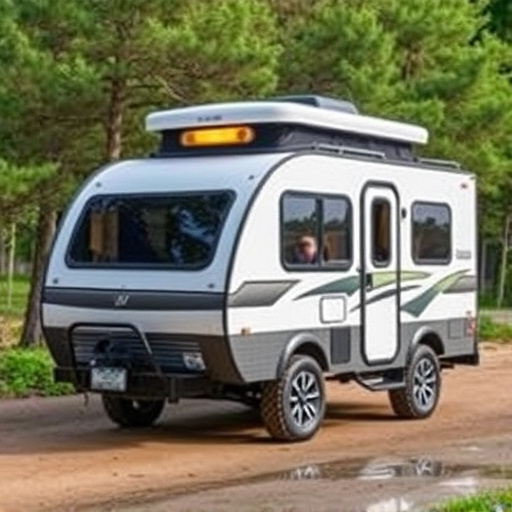
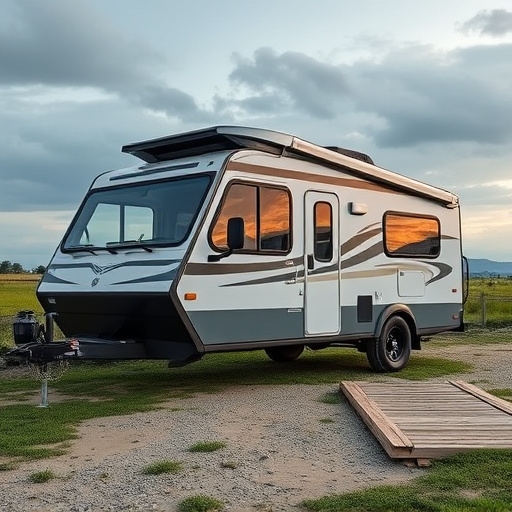
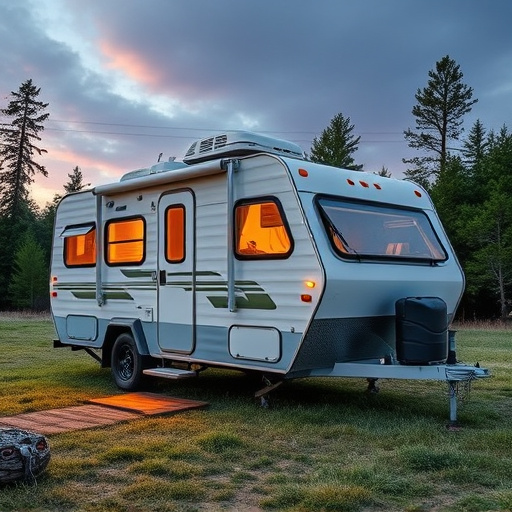
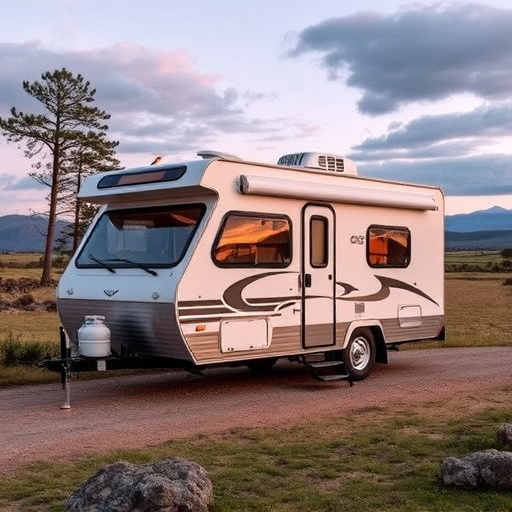
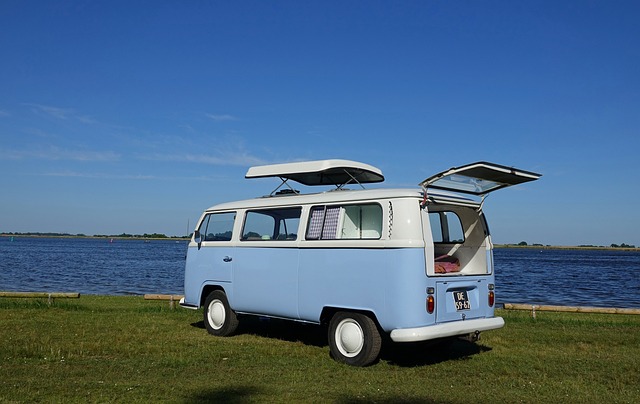
Definition: Hybrid campers, also known as conversion vehicles or campervans, are recreational vehicles (RVs) that combine the functionality of a motorhome with the driving dynamics of a car. They offer a versatile and compact living solution for those seeking an active lifestyle. These hybrid campers can be purchased as new models directly from dealerships or through second-hand sales, where dedicated platforms play a pivotal role.
Core Components:
Living Space: Hybrid campers typically include a compact kitchenette, sleeping areas, and sometimes a bathroom facility. Interior design focuses on maximizing space efficiency while maintaining comfort.
Driving Dynamics: Built on car chassis or platforms, these campers offer superior maneuverability compared to traditional motorhomes, making them suitable for narrow roads and urban environments.
Conversion Features: The conversion process involves installing the living quarters, ensuring a seamless blend of vehicle functionality and residential comfort.
Historical Context: The concept of hybrid campers gained traction in the mid-20th century when the need for affordable travel and outdoor recreation grew. Over time, these vehicles evolved from basic conversions to sophisticated, well-equipped recreational vehicles. Today, they represent a growing segment within the RV market, attracting both first-time buyers and experienced adventurers.
Global Impact and Trends
The global hybrid camper sales market is experiencing remarkable growth, driven by several key factors:
Increased Outdoor Tourism: A trend towards outdoor adventures and nature-based travel has propelled the demand for hybrid campers. Destinations worldwide are promoting sustainable tourism, encouraging visitors to embrace local environments.
Millennial and Gen Z Interest: Younger generations are embracing a nomadic lifestyle, seeking experiences over material possessions. Hybrid campers cater to this preference for flexible, on-the-go living.
Regional Variations: Different regions exhibit unique patterns:
North America: Strong demand due to vast wilderness areas and a well-established RV culture.
Europe: Growing popularity among urban dwellers seeking weekend getaways and off-grid experiences.
Asia Pacific: Increasing interest from middle-class families and adventure seekers.
Economic Considerations
Market Dynamics
The hybrid camper sales market is characterized by:
Growing Popularity: Increasing sales volumes reflect the changing preferences of consumers, particularly those seeking affordable luxury and outdoor experiences.
Competitive Landscape: Several manufacturers and conversion specialists compete, offering diverse models and customization options to cater to varying customer needs.
Resale Value: Well-maintained hybrid campers often retain their value, providing investors with a stable asset.
Rental Opportunities: Many owners monetize their hybrid campers through rental platforms, generating passive income while they travel.
Economic Impact
This sector contributes significantly to the global economy:
Region
Economic Contribution (2023 Est.)
North America
$15 billion
Europe
$8 billion
Asia Pacific
$6 billion
Technological Advancements
Technological innovations are playing a pivotal role in shaping the hybrid camper sales industry:
Electric and Hybrid Powertrains: The shift towards electrification reduces environmental impact and provides quieter, more efficient driving. Leading manufacturers offer solar panels and advanced battery systems for off-grid living.
Autonomous Driving Features: Advanced driver assistance systems (ADAS) enhance safety and driving experience. These include adaptive cruise control, lane-keeping assist, and automatic emergency braking.
Smart Home Integrations: Hybrid campers are increasingly equipped with smart home technology, allowing voice control, automated lighting, and integrated entertainment systems for a modern camping experience.
Policy and Regulation
Regulatory frameworks vary across jurisdictions, impacting hybrid camper sales:
Vehicle Registration and Licensing: Each region has specific requirements, including unique registration processes and vehicle standards. Compliance ensures safety and roadworthiness.
Taxation and Incentives: Governments offer incentives to promote sustainable travel, such as tax breaks for electric vehicles or reduced fees for campsite usage.
Campsite Regulations: Local authorities dictate rules for on-site parking, waste disposal, and noise levels, ensuring responsible camping practices.
Challenges and Criticisms
Despite its rise, the hybrid camper sales industry faces several challenges:
Limited Accessibility: High initial costs can deter potential buyers, especially in regions with limited financial assistance or incentives.
Environmental Concerns: While efforts are being made to reduce emissions, some critics argue that increased vehicle miles traveled could counteract sustainable travel goals.
Storage and Parking: Finding suitable parking spaces for hybrid campers, particularly in urban areas, remains a challenge for full-time travelers.
Proposed Solutions:
Government Subsidies: Providing financial support or tax breaks can make hybrid campers more accessible to a broader audience.
Sustainable Practices: Promoting responsible camping behavior and educating users about environmental impact can mitigate potential drawbacks.
Innovative Parking Solutions: Developing dedicated parking facilities for hybrid campers in urban settings could alleviate parking challenges.
Case Studies
Case Study 1: Europe’s Camping Car Revolution
In Europe, the adoption of hybrid campers has been remarkable. Countries like Germany and the Netherlands have thriving markets with specialized dealers and conversion shops. For instance, CampingCar Store in France offers a wide range of new and used hybrid campers, catering to both casual travelers and full-time adventurers. Their success lies in providing tailored solutions, from basic campervans for weekend getaways to fully equipped luxury models for extended tours.
Case Study 2: North American Off-Grid Adventures
In the United States, hybrid campers are popular among outdoor enthusiasts exploring national parks. Outdoor Ventures, a California-based company, specializes in selling and renting electric hybrid campers. Their fleet includes vehicles with advanced solar power systems, allowing off-grid camping in remote areas. This approach appeals to eco-conscious travelers who want to minimize their environmental footprint.
Future Prospects
The hybrid camper sales market is poised for significant growth, driven by:
Sustainable Tourism Trend: The global push towards sustainable travel will continue to fuel demand, with consumers actively seeking environmentally friendly options.
Technological Advancements: Emerging technologies like autonomous driving and smart home integrations will enhance the desirability of hybrid campers.
Millennial and Gen Z Influence: These generations’ growing presence in the workforce will drive consumer spending, shaping future industry trends.
Potential Growth Areas:
Electric Hybrid Campers: The market for electric campervans is projected to grow rapidly, offering quieter, cleaner alternatives.
Customized Conversions: Personalization and unique designs will cater to individual preferences, creating a diverse range of hybrid campers.
Shared Ownership Models: Peer-to-peer rental platforms could disrupt the industry, making hybrid camping more accessible and affordable.
Conclusion
Hybrid camper sales represent a dynamic fusion of outdoor living and modern technology, catering to a growing appetite for sustainable travel. This article has explored its definition, global impact, economic considerations, technological advancements, regulatory landscape, challenges, and future prospects. As the industry continues to evolve, it will play a pivotal role in shaping the way we explore our world, offering unparalleled freedom and connection with nature.
FAQ Section
Q: What are the benefits of owning a hybrid camper over a traditional motorhome?
A: Hybrid campers offer superior maneuverability, making them easier to drive and park. They provide a more compact living solution, ideal for those who value flexibility and off-the-beaten-path adventures.
Q: How do I choose the right hybrid camper for my needs?
A: Consider your intended use (weekend getaways vs. full-time travel), budget, desired features, and preferred brand. Test drives and research from reputable sources are essential to make an informed decision.
Q: Are hybrid campers environmentally friendly?
A: Yes, many modern hybrid campers are designed with sustainability in mind, featuring electric powertrains, solar panels, and efficient waste management systems. They contribute to reduced carbon footprints compared to traditional gas-powered RVs.
Q: What are some common challenges when buying a used hybrid camper?
A: When purchasing used, inspect the vehicle for signs of damage or wear. Check maintenance records and ensure all conversion features are in good working order. A thorough inspection and a trusted seller can minimize potential issues.
Off Track RV in Epping VIC offers top-quality hybrid campers for adventurous souls exploring remote areas. Their flexible designs provide both freedom and versatility, ideal for navigating tight spaces and winding roads. With a range of new and…….
Off Track RV in Victoria offers a range of modern, innovative hybrid campers perfect for both weekend getaways and family vacations. Their designs combine comfort with off-grid capabilities, featuring solar panels, advanced water filtration syst…….
Off Track RV in Epping, Victoria offers custom-layout hybrid campers for diverse adventurers. Their innovative designs blend traditional camping with motorhome comforts, catering to couples and families. With modern amenities and expert knowledg…….
Off Track RV in Epping (VIC 3076) offers transparent, model- and age-based warranties for hybrid campers, covering drivetrain and living quarters components. They provide personalized options, expert guidance, and after-sales support. Their comp…….
Off Track RV (21 Graystone Ct, Epping VIC 3076, Australia) is a leading Caravan Sales Victoria business revolutionizing camping with hybrid campervans—a fusion of RV freedom and car efficiency. They offer an exclusive newsletter with indus…….
The Australian Outback beckons adventurous RV enthusiasts seeking specialized vehicles for navigating challenging terrain. Off Track RV – Caravan Sales Victoria offers hybrid campers that blend modern comforts with robust off-road capabilities……..
Off Track RV introduces Hybrid Camper Sales—seamlessly merging adventure and comfort for unique outdoor experiences. The Radiant collection offers spacious, luxurious interiors with off-road capability, ideal for coastal or mountain getawa…….
Hybrid campers are ideal for exploring Australia's diverse outback, blending off-road capability with on-the-go comfort. Off Track RV in Victoria specializes in top-quality hybrid camper sales and support, catering to adventurers seeking ru…….
Off Track RV in Epping, Victoria (21 Graystone Ct) offers hybrid campers that combine RV freedom with campervan efficiency, catering to modern adventurers' needs. Their Caravan Sales Victoria selection includes radiant models known for inno…….
Off Track RV in Epping, Victoria (21 Graystone Ct) offers hybrid campers for unique, immersive outdoor experiences. Combining off-grid capabilities with modern amenities, these campervans are ideal for exploring Australia's diverse landscap…….
Off Track RV, based in Victoria, Australia (+61 3 9970 1111), offers custom hybrid campers for adventurous travelers seeking unique outdoor experiences. These vehicles blend caravanning comfort with camping flexibility, allowing access to remote…….
Hybrid campers blend RV living with modern camping efficiency, appealing to eco-conscious travelers seeking nature exploration with home-like amenities. Online platforms like Craigslist and eBay simplify the buying process, offering diverse list…….
Hybrid campers from Off Track RV in Victoria offer versatile, customizable living spaces combining caravan and motorhome features. With spacious interiors and driving ease, these vehicles cater to diverse needs, from romantic getaways to family…….
Off Track RV (21 Graystone Ct, Epping VIC 3076, Australia) offers luxurious hybrid campers that blend modern amenities with off-road capabilities for unforgettable adventures. Their innovative vehicles cater to both seasoned and new campers, pro…….
Hybrid campers are gaining popularity among Australian adventurers seeking unique, sustainable travel experiences in the Outback. These versatile vehicles combine off-road capabilities and robust construction with home-like amenities, allowing a…….
Off Track RV in Epping, Victoria, Australia, offers revolutionary hybrid campers with customizable layouts for modern adventurers. Their versatile designs cater to diverse needs, from comfort to space, allowing customers to create their ideal ca…….
Off Track RV, based in Victoria, is a specialist in hybrid camper sales, catering to adventurous individuals seeking sustainable travel experiences. They offer curated, off-grid vehicles designed for remote destinations, blending RV comfort with…….
Off-grid living enthusiasts can explore remote destinations in comfort with hybrid campers from Off Track RV. These innovative vehicles combine modern conveniences and sustainable power sources, offering a unique solution for outdoor adventures……..
Hybrid campers combining RV comfort with car maneuverability are transforming outdoor travel. Off Track RV in Victoria offers a wide range of these vehicles for sale, catering to various adventurer needs. With models featuring modern amenities l…….
Hybrid campers are transforming off-road adventures with their unique blend of SUV/truck capabilities and campervan livability, offering superior ruggedness, comfort, and fuel efficiency. Off Track RV – Caravan Sales Victoria leads this revoluti…….